 Alliance for Catholic Education

Palm Sunday - Sunday, March 29th
The First Sunday of Lent begins with the account of Jesus’ temptation in the desert. Jesus does not eat for 40 days, an exercise in some small way imitated by us in our Lenten fasting. The devil, sensing that Jesus is growing weak from the fast, arrives to tempt him.
Three times the devil tempts Jesus. First, “Turn these stones into bread.” Then, “Worship me, and I will give you control over all the cities of the world.” Finally, “Throw yourself off this building, and show that God’s angels will catch you.”
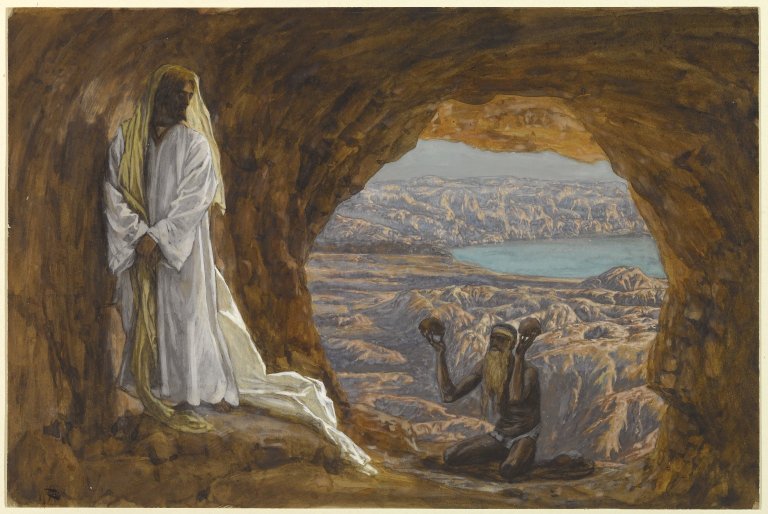
In other words, three times the devil says to Jesus, “Use your gifts for your own advantage. Use your gifts to satisfy yourself.” This is the great temptation of Jesus in the desert: to use his power to serve himself, rather than to serve others.
Of course, all three times, Jesus refuses. But then, a most terrifying line: “So the devil withdrew from Jesus, and awaited a more opportune time.” It is as if the devil realizes he has lost the battle, but refuses to lose the war. He goes off into hiding, and waits for Jesus to be in a position of weakness again.
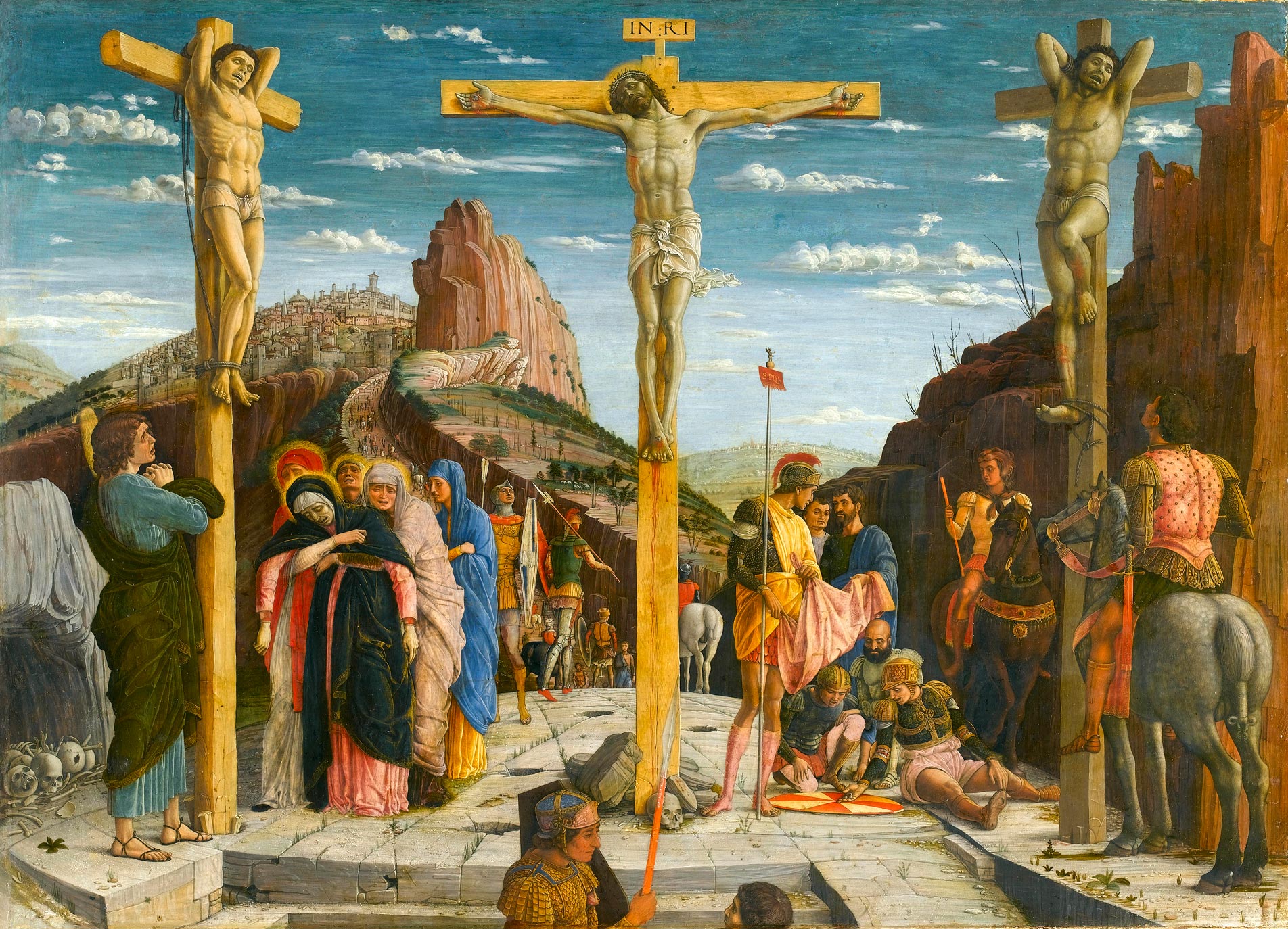
On Palm Sunday, in the Gospel of the Passion, the devil gets his wish. Never has Jesus been in a weaker, more vulnerable position – hanging on the cross, breathing his last breaths. It seems the devil ought to let him die. His main adversary is going down, and it seems the devil ought to sit back and let it happen. But instead, something quite different happens – the devil, surprisingly, takes on a much more active role.
The people surrounding Jesus on the cross begin taunting him. First, the rulers: “You saved others. Now save yourself.” Then the soldiers: “If you are the King of the Jews, save yourself.” Finally, a thief, hanging next to Jesus, offers the same temptation: “Save yourself – and us too.” In their words, we can hear the re-emergence of the devil who first battled Jesus in the desert, for he is using the very same temptation: “Use your power as God to serve yourself, rather than others.”
Perhaps our greatest temptations involve not what we do with our weaknesses, but what we do with our gifts.
In the Gospel of the Passion, Jesus shows us a higher way – the Way of the Cross. Jesus triumphs definitively over the temptation to “Use your powers to save yourself.” He shows us that the gifts he has been given were not given to use for his own sake. They were given to him for the service of others. As we look back upon his life from the perspective of the Cross, of course, this is all we can see – a constant giving away of his gifts for others. He exercised his power and his gifts constantly – but always, for the sake of others.
The message of the entirety of Jesus’ way of life is made completely clear in the Gospel of the Passion: if we wish to save our lives, we must give our lives away in the service of others.